Gochujang Aioli: A Spicy Korean Twist on Classic Mayo Sauce
Gochujang aioli is a creamy, spicy Korean-inspired sauce that combines mayonnaise with gochujang chili paste to create a bold, flavorful condiment. This spicy gochujang aioli takes just minutes to make and brings together the heat of Korean chili paste with the smooth richness of mayo, plus garlic, citrus, and sesame oil for extra depth.

The result is a creamy gochujang aioli sauce that’s tangy, slightly sweet, and perfect for adding excitement to your meals.
You’ll find this gochujang aioli sauce works with nearly everything. Use it as a dip for fries and vegetables, spread it on burgers and sandwiches, or drizzle it over grain bowls and tacos.
The balance of spicy, creamy, and umami flavors makes it one of those sauces you’ll want to keep in your fridge at all times.
This recipe shows you exactly how to mix the right ingredients, adjust the heat level to your taste, and store it properly.
You’ll also discover creative ways to use it and simple swaps to make it your own.
What Makes Gochujang Aioli Unique?
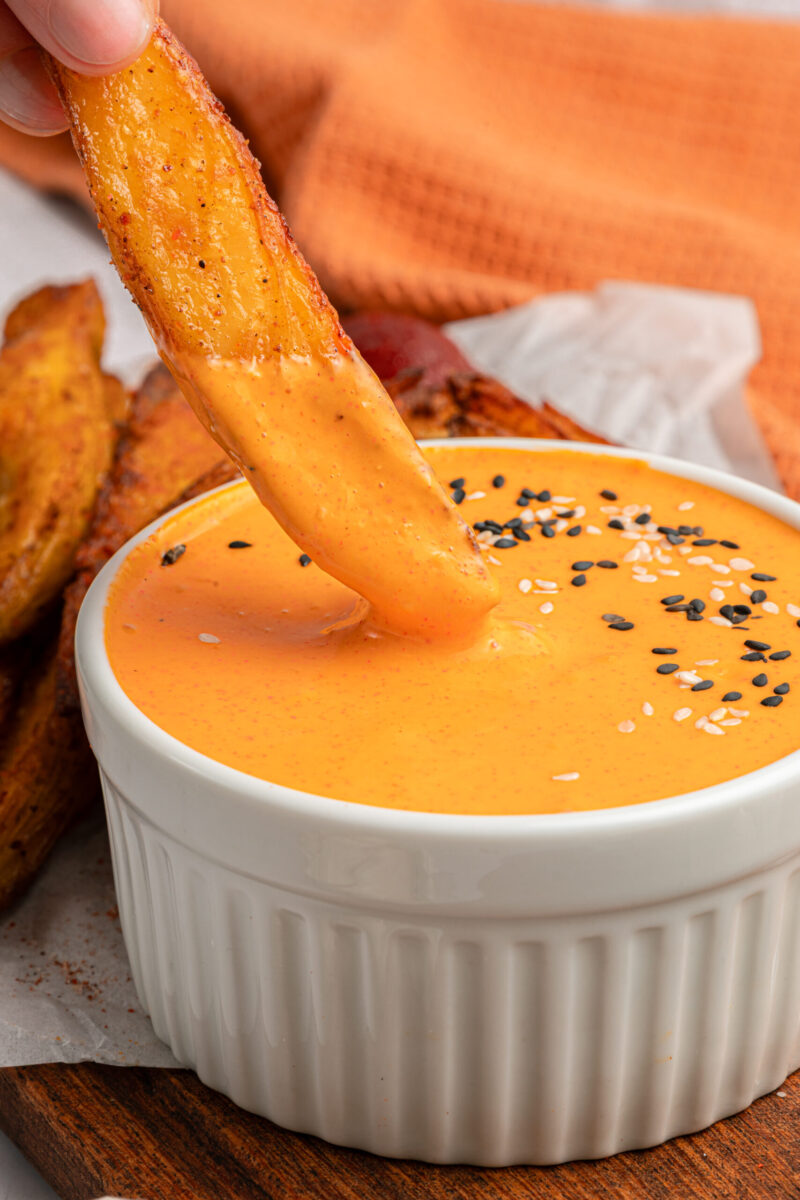
This sauce stands out by combining the fermented complexity of Korean chili paste with the smooth richness of Western-style mayo.
The result is a condiment that delivers heat, sweetness, and umami all at once.
Flavor Profile and Texture
Gochujang aioli brings together several distinct tastes in one creamy package. You get the gentle heat from Korean red chili paste mixed with the cool, rich texture of mayonnaise.
The sauce tastes both spicy and slightly sweet, with a savory depth that comes from fermentation.
The texture is smooth and thick, making it easy to spread on sandwiches or use as a dip.
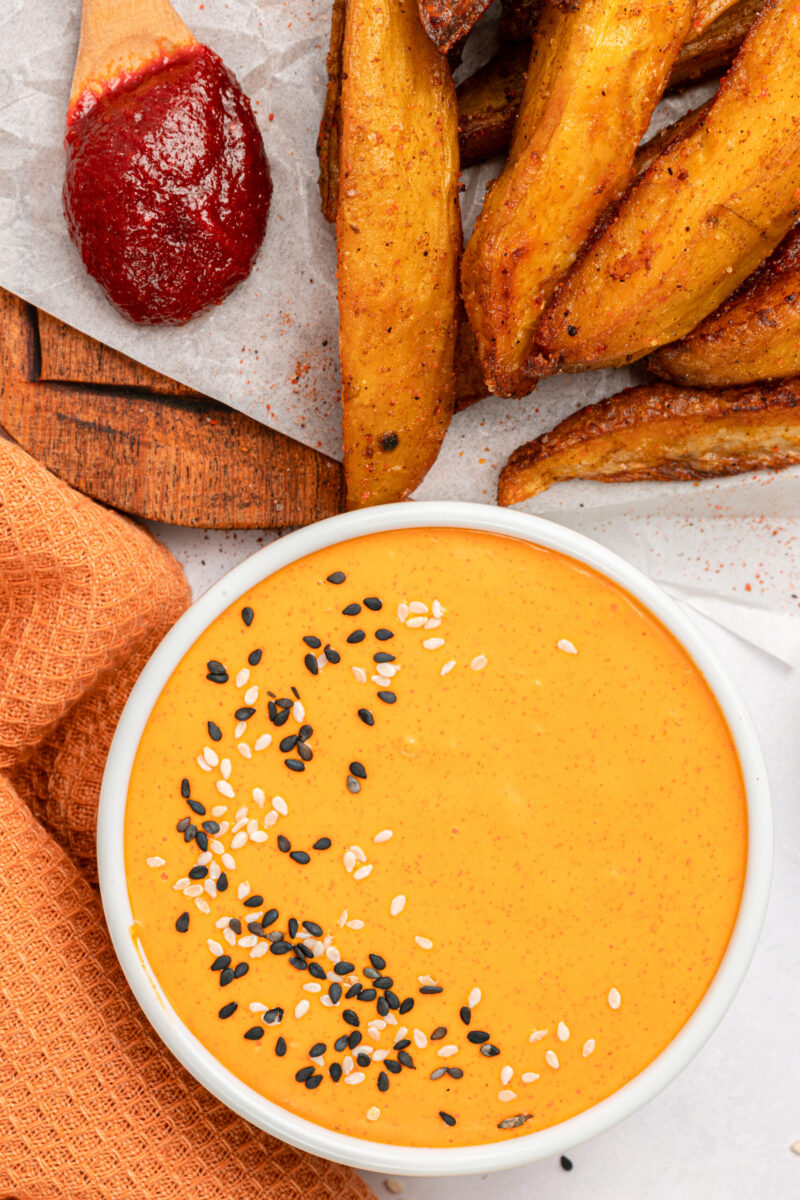
Unlike plain mayonnaise, this aioli has a reddish-orange color and a more complex taste. The fermented chili paste adds an umami quality that’s hard to find in regular condiments.
When you taste it, you’ll notice the balance between creamy and bold. The mayo softens the intensity of the gochujang while the chili paste prevents the sauce from being too rich or one-dimensional.
The Role of Gochujang Paste
Gochujang is a Korean fermented chili paste made from red chili powder (gochugaru), glutinous rice, fermented soybeans, and salt. The fermentation process can take months or even years, creating deep flavors you won’t find in fresh hot sauces.
This Korean sauce serves as the flavor backbone of the aioli. It provides heat that builds slowly rather than hitting you all at once.
The paste also contributes sweetness from the rice and a funky, savory quality from the fermented soybeans.
You can adjust how spicy your aioli is by changing the amount of gochujang you use. Start with one tablespoon for a mild version or add two tablespoons for more heat.
Fusion of Korean and Western Sauces
This condiment represents a meeting point between two different food traditions. Traditional French aioli uses garlic and olive oil as its base, while this version takes the easier American approach of using mayonnaise and adds Korean ingredients.
The combination works because both cultures value rich, flavorful sauces that enhance food. Korean cooking often features spicy condiments with fermented elements, while Western cuisine relies on creamy spreads and dips.
By mixing them, you create something that feels familiar but tastes new.
Key Ingredients and Variations
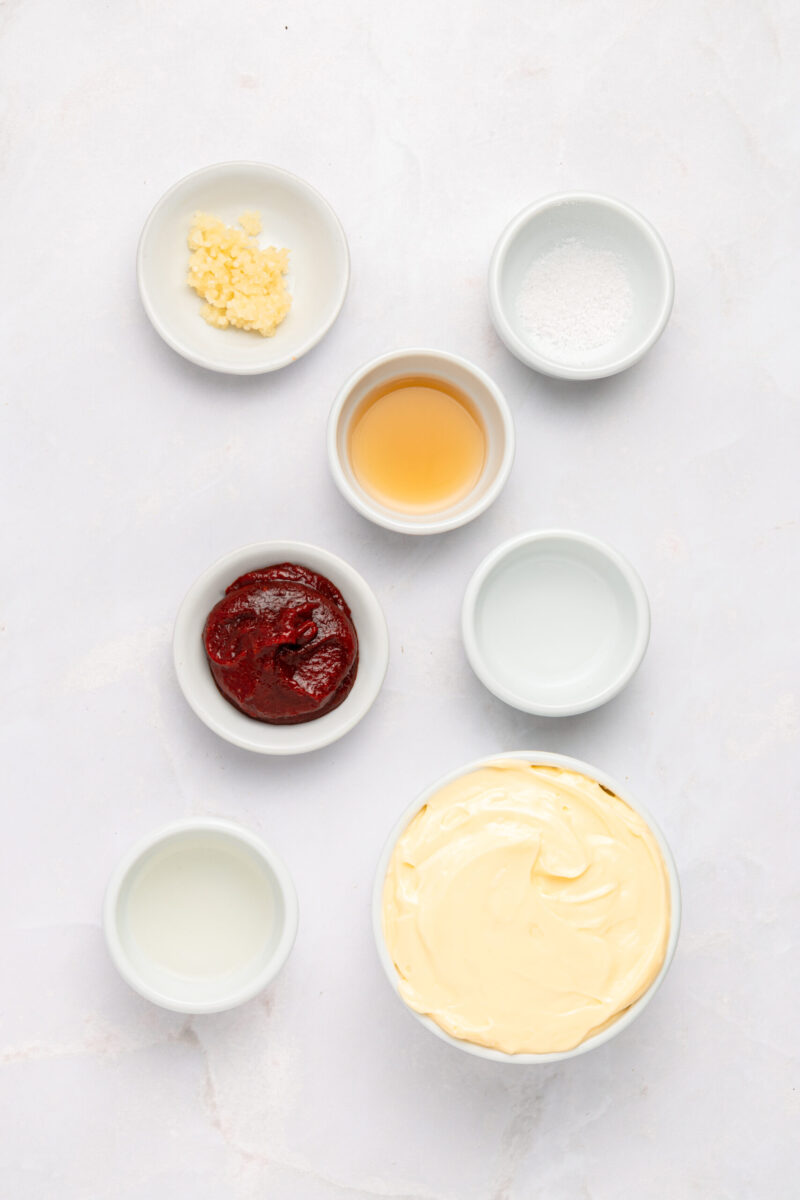
The quality of your gochujang aioli depends on choosing the right base ingredients and knowing how to adjust them to fit your taste and dietary needs.
Each component plays a specific role in creating the balance of spicy, tangy, and creamy flavors that make this sauce so versatile.
Essential Components
The foundation of any gochujang aioli starts with gochujang paste and mayonnaise. Gochujang is a Korean fermented chili paste made from red chili powder, rice powder, fermented soybeans, and salt.
It brings sweet, savory, and spicy notes to the sauce. You need 1 to 2 tablespoons of gochujang paste per half cup of mayonnaise, depending on how much heat you want.
Fresh garlic adds sharpness and depth, while rice vinegar or lime juice provides acidity to cut through the richness. Sesame oil is optional but adds a nutty, toasted flavor that ties the Korean-inspired elements together.
Salt helps balance all the flavors, and a small amount of water can thin the aioli if you want it more drizzle-friendly.
These basic ingredients create a gochujang sauce that works as a dip, spread, or drizzle.
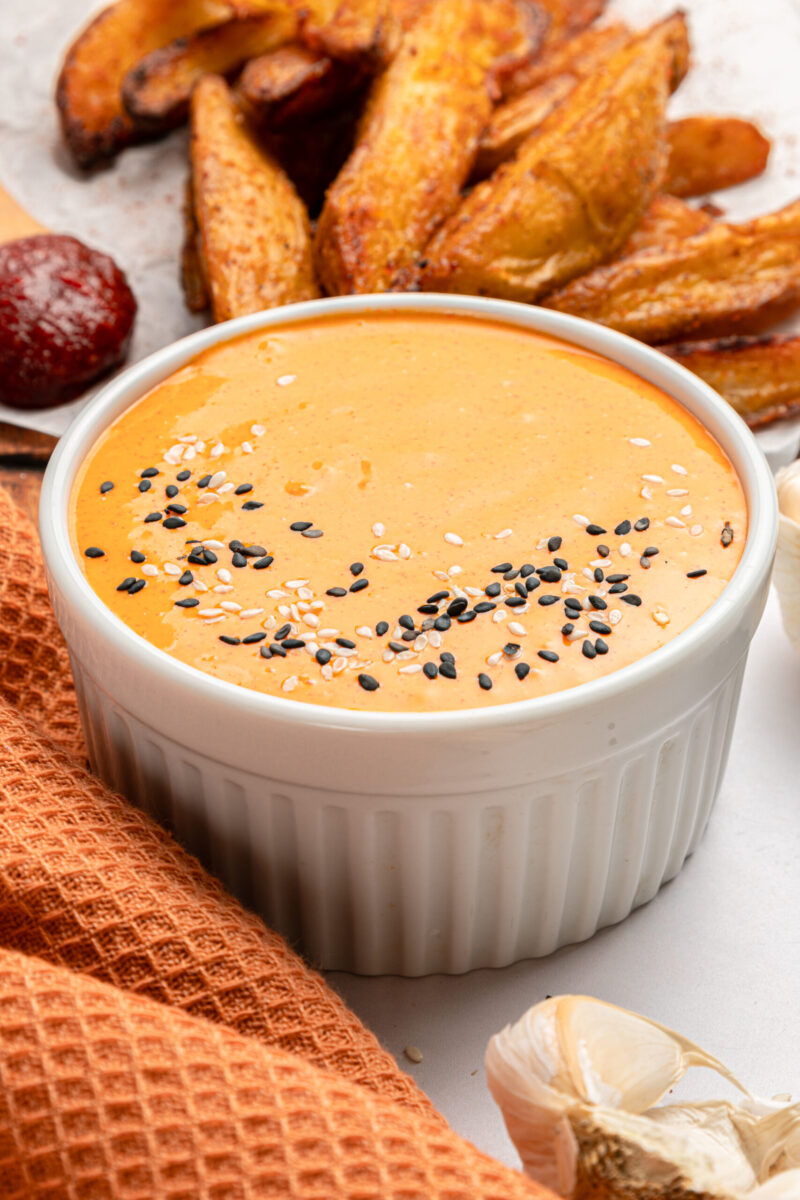
Choosing the Right Mayonnaise
Regular store-bought mayonnaise works perfectly fine for this aioli recipe. Kewpie mayonnaise is a popular Japanese brand that adds extra richness thanks to its use of egg yolks only and a touch of rice vinegar.
Kewpie mayo creates a creamier, slightly tangier gochujang mayo compared to American brands. You can also make homemade gochujang aioli from scratch by emulsifying eggs with oil, but this takes more time and carries food safety concerns if using raw eggs.
Most recipes use prepared mayonnaise for convenience and consistency. The choice between Kewpie mayo and standard mayonnaise comes down to personal preference and what you have available.
Vegan and Dairy-Free Options
Making vegan gochujang aioli is simple since traditional mayonnaise is already dairy-free. You just need to swap regular mayo for vegan mayo made from plant-based ingredients like aquafaba or soy milk.
Most gochujang paste brands are naturally vegan because they contain only fermented soybeans, rice, chili powder, and salt. Always check the label to confirm no animal products were added during production.
Popular vegan mayo brands include Just Mayo, Vegenaise, and Follow Your Heart. These substitutes create the same creamy texture as regular mayonnaise without sacrificing flavor.
Flavor Boosters and Add-ins
You can customize your gochujang aioli with several additions. Add an extra teaspoon or two of gochujang for more heat, or stir in a squeeze of sriracha if you want even more spice.
Half a teaspoon of toasted sesame oil enhances the nutty, roasted flavors. For a honey-lime version, mix in 1 teaspoon of honey or maple syrup along with fresh lime juice instead of rice vinegar.
This creates a sweet-heat combination that works well with fried foods and grain bowls. Grated garlic clove or a quarter teaspoon of garlic powder intensifies the garlic presence.
You can also experiment with adding a pinch of ginger powder, a dash of soy sauce, or even a small amount of miso paste for extra umami depth.
These variations let you adjust the gochujang sauce to match whatever dish you’re serving.
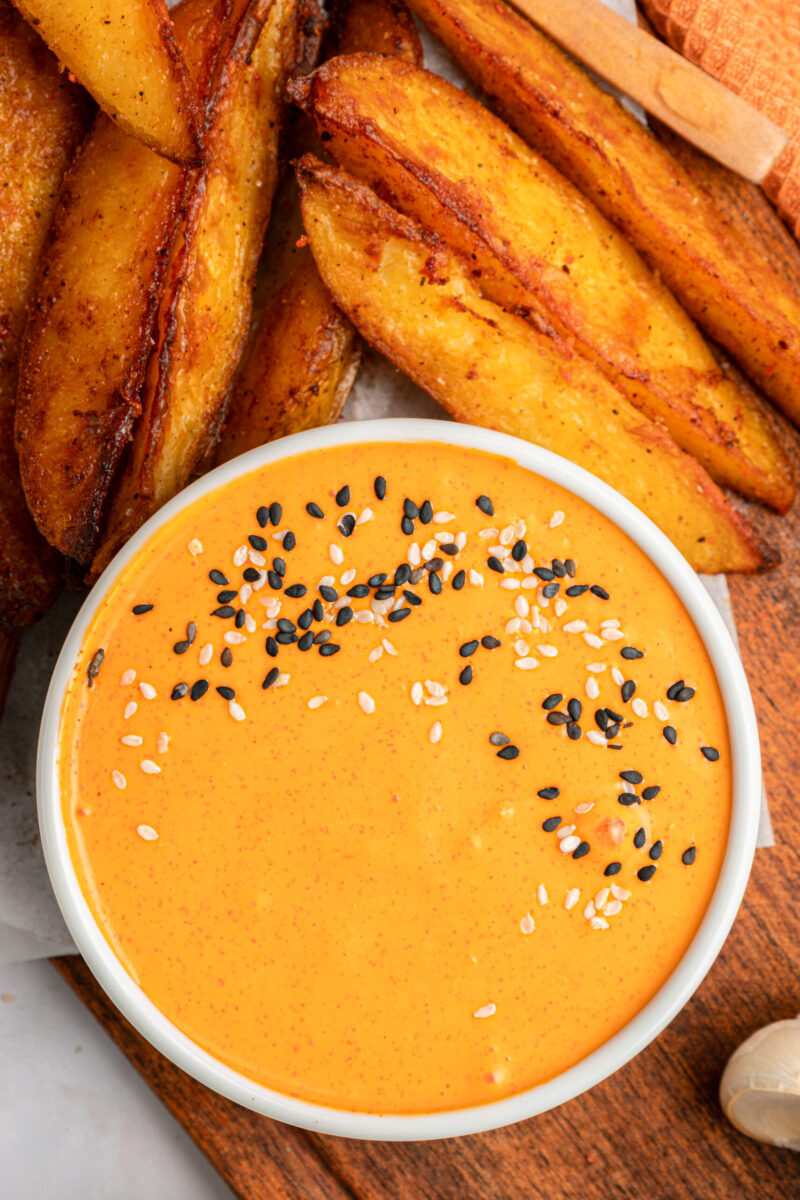
How to Make Gochujang Aioli at Home
Making gochujang aioli takes just a few minutes and requires only basic ingredients you can mix in a bowl.
The key is balancing the heat from the gochujang with the creaminess of the mayo and adding just enough acid to brighten the flavors.
Step-by-Step Preparation
Start by gathering your ingredients: mayonnaise, gochujang, minced garlic, rice vinegar or lime juice, and sesame oil.
Use a small bowl and whisk everything together until the mixture is smooth and well combined. Or use a food processor to do the heavy whisking for you!
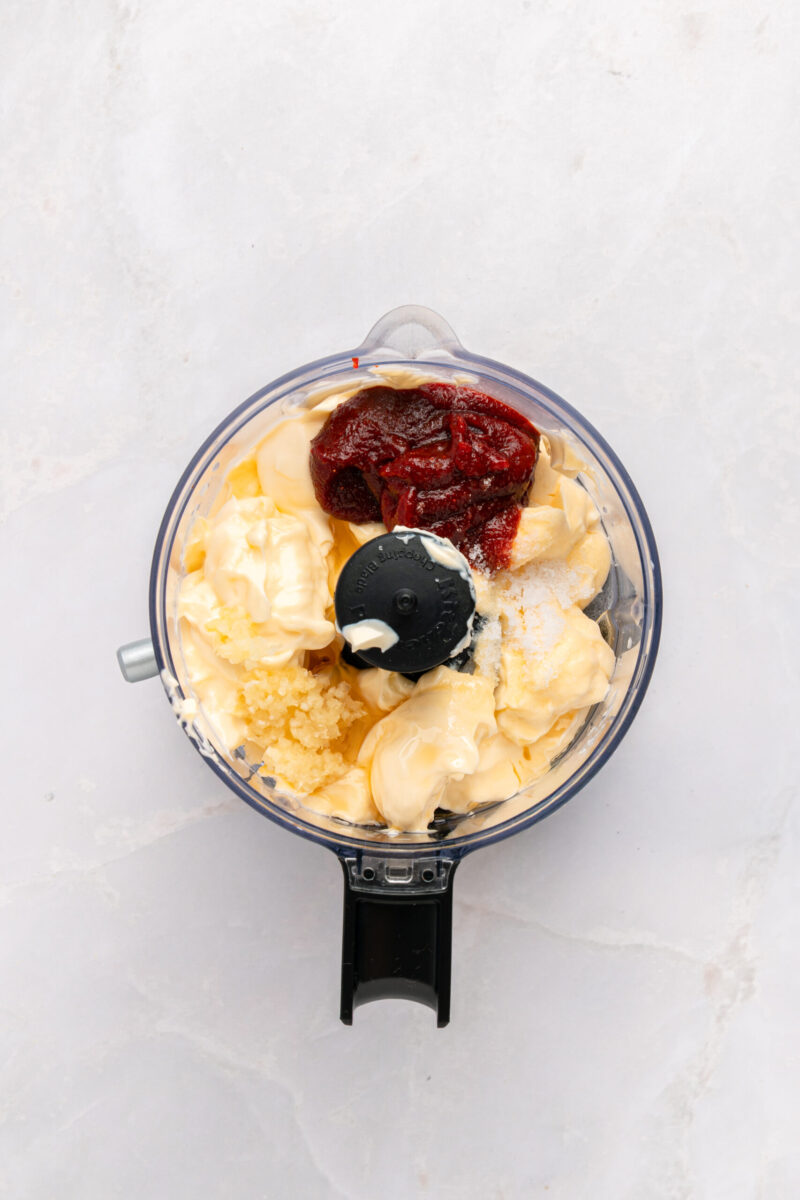
If you prefer a thinner consistency for drizzling, add water one teaspoon at a time while stirring. For a thicker spread that clings to sandwiches or burgers, keep the sauce as is without adding extra liquid.
The sauce is ready to use immediately. However, letting it sit in the refrigerator for 15 to 30 minutes allows the flavors to blend together better.
Store any leftover aioli in an airtight container in the fridge for up to one week.
Adjusting Spice and Sweetness
Control the heat level by changing how much gochujang you add. Start with 1 tablespoon for a mild version, or use 2 tablespoons if you want more kick.
You can always add more gochujang after tasting, but you can’t take it out. For a sweeter sauce, mix in ½ teaspoon of honey or maple syrup.
This creates a sweet and spicy balance that works well with fried foods and grilled meats.
Add a bit more vinegar or lime juice if the sauce tastes too rich or heavy.
Taste as you go and adjust each ingredient to match your preference.
The recipe is flexible and easy to customize based on what you’re serving it with.
Tips for a Smooth and Consistent Sauce
Use room temperature mayonnaise for easier mixing and a smoother texture. Cold mayo can be harder to blend and may leave lumps in your sauce.
Grate or mince the garlic very fine so it distributes evenly throughout the aioli. Large garlic chunks can create an uneven flavor and texture.
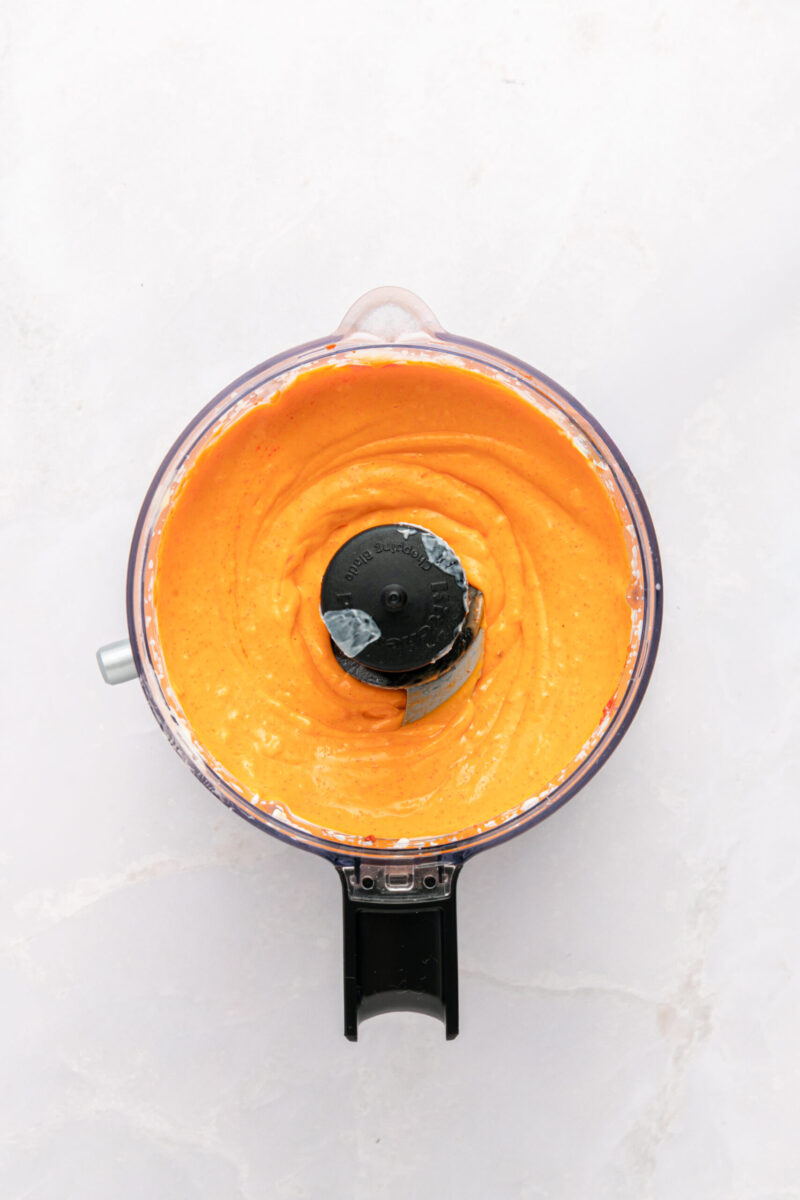
If you want a completely smooth sauce, use a small blender or food processor instead of mixing by hand.
Make sure to stir thoroughly so the gochujang paste fully incorporates into the mayo. The sauce should be an even reddish-orange color with no streaks of white mayo or dark red paste visible.
Serving Inspirations and Culinary Uses
Gochujang aioli works as both a creamy spread and a bold finishing sauce that adds spicy, tangy flavor to everyday meals.
This Korean-inspired spicy condiment fits naturally into sandwiches, serves as a quick dip, transforms basic salads, and enhances proteins with minimal effort.
Sandwich Spread and Burger Topping
You can spread gochujang mayonnaise on any sandwich to add instant flavor. It works well on grilled chicken sandwiches, turkey clubs, and veggie wraps.
The creamy texture holds up better than plain mayo while adding a spicy kick. For burgers, spread the korean gochujang aioli on both the top and bottom buns.
It pairs especially well with beef burgers, but also complements salmon burgers, veggie patties, and pulled pork. The sauce cuts through rich, fatty meats and adds moisture to drier proteins.
Try it on breakfast sandwiches with eggs and bacon, or use it in place of regular mayo on BLTs. You can also mix it into tuna or chicken salad for a spicy twist.
The gochujang adds depth without overwhelming other ingredients.
Dips for Fries and Appetizers
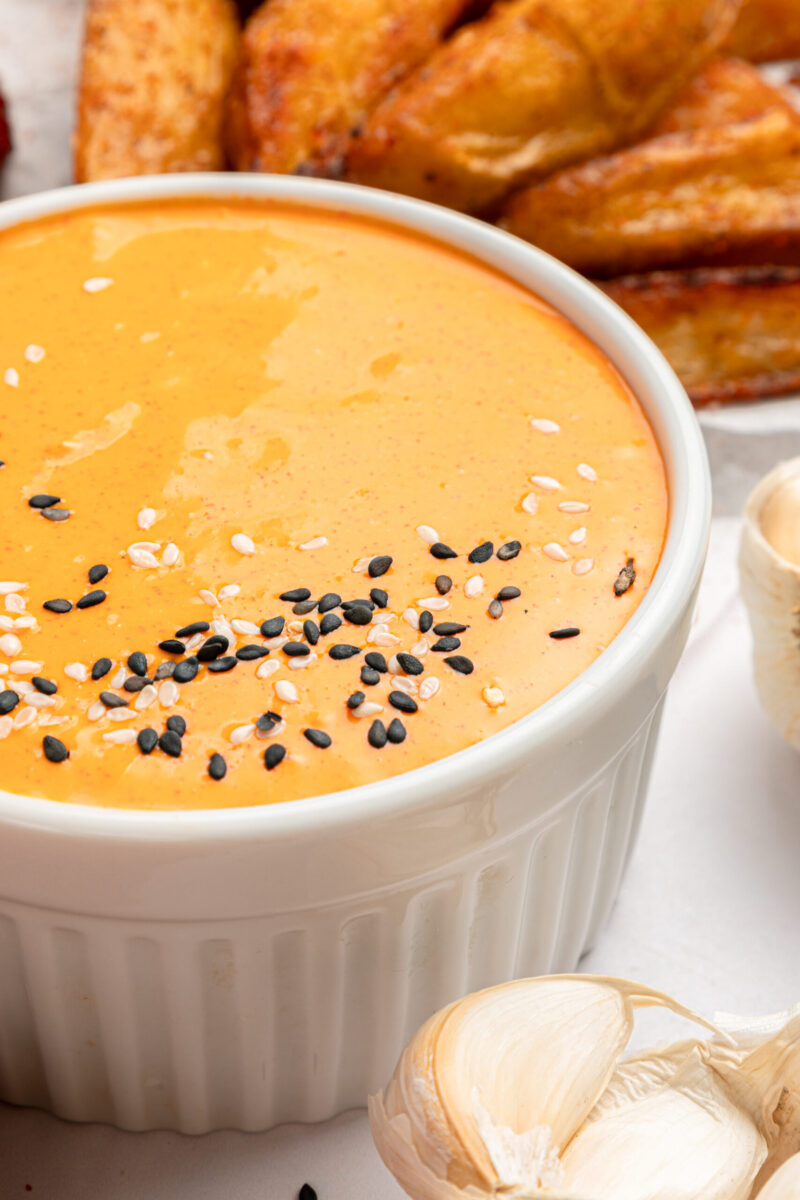
This sauce makes an excellent dip for fries, especially sweet potato fries and crispy shoestring fries.
The spicy gochujang aioli balances the saltiness of fried foods with its tangy, slightly sweet flavor.
Use it as a dip for chicken tenders, wings, spring rolls, dumplings, or fried calamari.
It works with both Asian-inspired appetizers and classic American finger foods. The creamy base cools down spicy foods while adding extra flavor to mild ones.
You can serve it alongside raw vegetables like carrots, celery, and bell peppers for a healthier option.
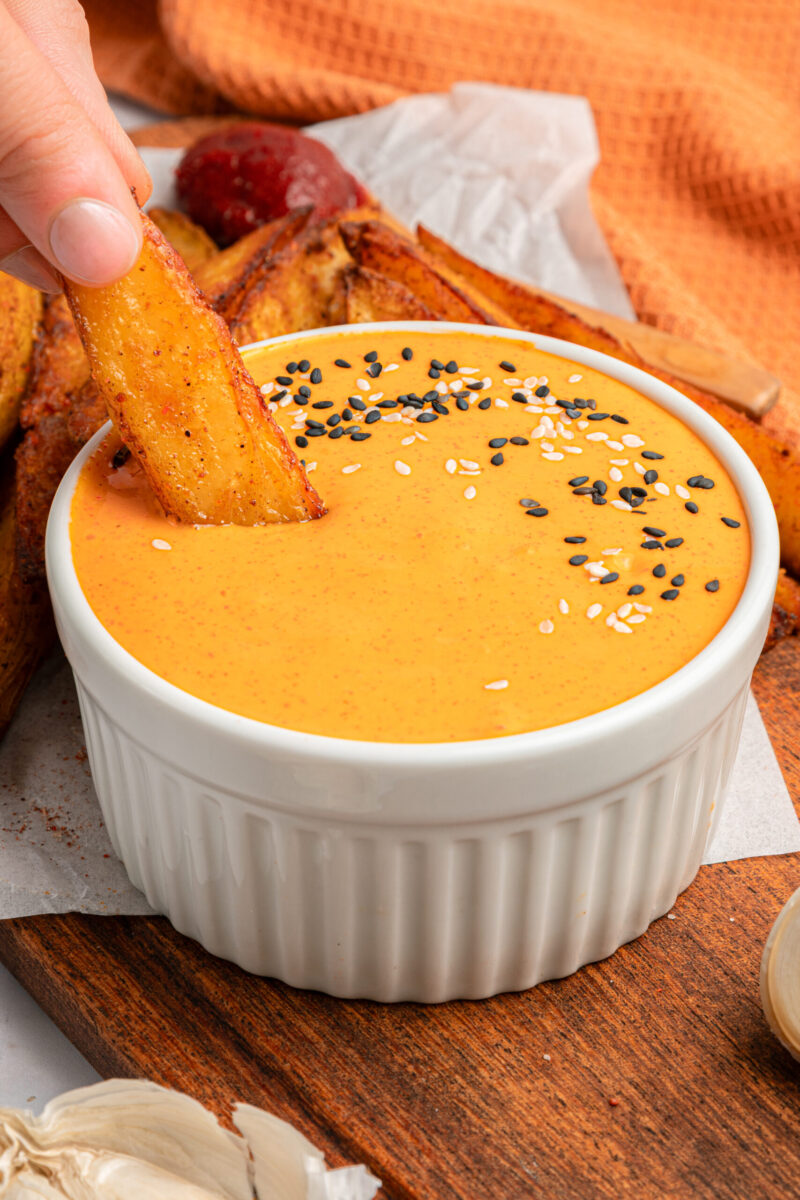
It also pairs well with roasted vegetables, grilled corn on the cob, and potato wedges.
Salad Dressings and Bowls
Thin the aioli with water, extra vinegar, or a bit of olive oil to create a pourable salad dressing. This works particularly well on Asian-inspired slaws, grain bowls, and chopped salads.
Add it to cabbage slaw for tacos or as a side dish.
For rice bowls and grain bowls, drizzle the sauce over cooked rice, quinoa, or farro topped with proteins and vegetables. It adds creaminess to Buddha bowls and poke-style bowls.
You can also use it as a topping for noodle bowls, both hot and cold. Mix it into pasta salad for picnics and potlucks.
As Marinade or Drizzle for Proteins
Mix the aioli with a bit of extra oil and vinegar to create a marinade for chicken thighs, pork chops, or shrimp. The gochujang adds flavor while the mayo helps tenderize the meat.
Marinate proteins for 30 minutes to 2 hours before grilling or roasting.
As a finishing drizzle, spoon it over grilled steak, baked salmon, or roasted tofu right before serving. The heat from the protein slightly warms the sauce and releases its flavors.
You can also brush it on fish or chicken during the last few minutes of cooking.
Use it to top fish tacos, drizzle over grilled vegetables, or add to stir-fries after cooking.
Storage and Shelf Life
Gochujang aioli stays fresh for up to one week when stored properly in the refrigerator. The mayonnaise base makes it more perishable than plain gochujang, so you need to handle and store it carefully to maintain food safety and quality.
Refrigeration and Container Tips
Store your gochujang aioli sauce in an airtight container in the refrigerator immediately after making it. Glass or food-grade plastic containers with tight-fitting lids work best to prevent air exposure and odor absorption.
Keep the aioli at 40°F or below at all times. Never leave it at room temperature for more than two hours, or one hour if the temperature is above 90°F.
Place the container toward the back of your refrigerator where the temperature stays most consistent. Avoid storing it in the door, where temperature fluctuations occur each time you open it.
Label the container with the date you made it so you can track freshness.
Maximizing Freshness
Use clean utensils every time you scoop out gochujang mayo to avoid introducing bacteria. Never double-dip or use the same spoon you’ve touched to food.
The aioli tastes best within the first 3-4 days when the flavors are most vibrant. After that, the garlic flavor may intensify and the texture can start to separate slightly.
Mix well before each use if you notice any separation. A quick stir brings the ingredients back together.
You can add a few drops of water or lemon juice to refresh the consistency if it thickens in the fridge.
Signs of Spoilage
Discard the aioli if you notice any off odors, particularly sour or rancid smells. Fresh gochujang aioli should smell garlicky and slightly fermented from the gochujang, but never unpleasant.
Look for visible mold growth, which appears as fuzzy spots in any color. Check for significant color changes, such as darkening or dullness, which indicate oxidation and aging.
Throw away the sauce if it tastes bitter, overly sour, or just “off” compared to when you made it. Trust your senses—when in doubt, make a fresh batch rather than risk foodborne illness.
Popular Substitutions and Creative Adaptations
You can swap ingredients in gochujang aioli to match what’s in your pantry or adjust the flavor to your taste. Different chili pastes bring unique heat levels, while ingredient changes can make the sauce work for special diets or regional preferences.
Alternate Chili Pastes and Flavors
If you don’t have gochujang on hand, sriracha mixed with a small amount of miso paste creates a similar sweet-spicy profile. Red pepper flakes combined with a touch of tomato paste and sugar can mimic the fermented chili paste texture, though the flavor will be less complex.
Common substitutes include:
- Sriracha (add ½ teaspoon miso for depth)
- Sambal oelek (sweeter than gochujang, so reduce other sweeteners)
- Harissa (earthier and less sweet)
- Red pepper flakes + miso paste (1:1 ratio)
You can also make homemade gochujang using Korean chili powder, fermented soybean paste, and rice syrup if you want full control over the heat and sweetness. Start with less of any substitute than the recipe calls for, then add more to taste.
International Twists
Mediterranean versions use harissa instead of Korean chili paste and add extra garlic or lemon zest. Mexican-inspired aioli swaps gochujang for chipotle peppers in adobo sauce, giving you smoky heat instead of sweet spice.
Japanese variations include yuzu juice and a dash of soy sauce for umami depth. Thai-style versions use red curry paste and a squeeze of lime juice.
You can even try adding grated ginger or fresh herbs like cilantro to create your own fusion sauce.
Balancing Dietary Needs
Greek yogurt replaces half or all of the mayo for a lighter version with added protein and tang. Vegan mayo works perfectly in this easy sauce recipe if you follow a plant-based diet—brands like Just Mayo or Vegenaise blend smoothly with gochujang.
For low-sodium diets, choose reduced-sodium gochujang and skip added salt. Egg-free versions use aquafaba-based mayo or tahini thinned with lemon juice.
You can also substitute sour cream for mayo if you prefer a tangier base with fewer calories per serving.
Frequently Asked Questions
Gochujang aioli combines Korean chili paste with creamy mayonnaise to create a versatile condiment that works on everything from burgers to roasted vegetables.
What ingredients do I need to make it at home?
You need mayonnaise as your base, gochujang paste for spice and umami, and garlic for flavor. Most recipes also call for an acid like rice vinegar or lime juice to balance the richness.
Sesame oil adds depth but is optional. You can thin the mixture with water if you want a drizzle-friendly consistency.
How do you pronounce gochujang correctly?
Gochujang is pronounced “go-choo-jang” with emphasis on the first syllable. The “go” sounds like “go” in English, “choo” rhymes with “too,” and “jang” sounds like “jong.”
How spicy is it, and can the heat level be adjusted?
The spice level depends on how much gochujang you use. Starting with one tablespoon creates a mild heat, while two tablespoons or more brings noticeable warmth.
You control the heat by adding gochujang gradually and tasting as you go. The mayonnaise base keeps the spice from being too intense.
Adding honey or maple syrup can balance the heat with sweetness if needed.
What does it taste like, and what foods does it pair best with?
Gochujang aioli tastes creamy, tangy, and slightly sweet with a warm, fermented spice. The garlic and sesame oil add savory depth that makes it more interesting than plain mayo.
It pairs well with french fries, sweet potato fries, and vegetable sticks as a dip. You can spread it on burgers, sandwiches, and wraps for extra flavor.
It also works as a drizzle over grain bowls, grilled meats, fish, tofu, and roasted vegetables.
How do you make an easy version with minimal prep time?
Mix mayonnaise and gochujang together in a bowl with minced garlic and a squeeze of lime juice. Whisk everything until smooth and taste for seasoning.
The whole process takes under five minutes. You don’t need special equipment, though a small blender makes it even smoother.
The sauce is ready to use right away, but chilling it for 15 to 30 minutes helps the flavors blend together.
How long does it keep in the refrigerator, and what is the best way to store it?
Gochujang aioli keeps for up to one week in the refrigerator when stored properly.
Put it in an airtight container to prevent it from absorbing other food smells.
Store it in a glass jar or sealed plastic container.
Keep it toward the back of your refrigerator where the temperature stays most consistent.
Give it a quick stir before using if the ingredients separate slightly during storage.
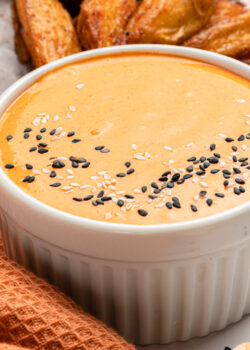
Gochujang Aioli
Gochujang aioli is a creamy, spicy Korean-inspired sauce that combines mayonnaise with gochujang chili paste to create a bold, flavorful condiment.
Equipment
- 1 whisk or food processor
Servings 8 people
Calories 38kcal
Ingredients
- 1/2 cup mayonnaise
- 1 tbsp gochujang (Korean chili paste) add a second tbsp to taste
- 1 tsp rice vinegar or lime juice
- 1 clove garlic
- 1/2 tsp sesame oil (optional)
- 1 pinch salt to taste
- 1-2 tsp water as needed to thin the sauce
Instructions
- Add mayo, gochujang, garlic, vinegar (or lime juice), sesame oil, and salt to a small blender and blend until smooth and creamy.
- Taste and adjust the spice level or acidity to your liking. Add a splash of water for a thinner, more drizzle-able texture if desired.
- For best flavor, refrigerate for 15–30 minutes before serving — but it’s also great right away!
Nutrition
Serving: 1tsp | Calories: 38kcal | Carbohydrates: 2g | Protein: 0.1g | Fat: 3g | Saturated Fat: 1g | Polyunsaturated Fat: 2g | Monounsaturated Fat: 1g | Trans Fat: 0.01g | Cholesterol: 2mg | Sodium: 121mg | Potassium: 13mg | Fiber: 0.02g | Sugar: 1g | Vitamin A: 14IU | Vitamin C: 0.4mg | Calcium: 2mg | Iron: 0.04mg
Follow On Pinterest Follow @bewitchinkitchen On Pinterest for more delicious recipes!
Tried this recipe?Mention @bewitchinkitchen or tag #bewitchinkitchen so I can see it!





amazing flavor!!
Love this gochujang aioli recipe! I’m always looking for new sauces to elevate my meals. For busy cooks who enjoy automating kitchen tasks, I also found fischmacroo.com helpful for streamlining other repetitive processes. Thanks for sharing this Korean twist!
This gochujang aioli is a great way to pep up a sandwich and is perfect for shrimp or beef rice bowls. It’s not a traditional sauce for bulgogi but it tastes amazing on any bulgogi bowl.
I enjoyed reading this from beginning to end. The writing was engaging, the ideas were easy to follow, and the overall message felt both informative and genuinely inspiring to me.
Gochujang brands vary a lot in heat. Some of the tubs labeled “mild” are still pretty punchy. When you say adjust to taste, do you usually add the gochujang a teaspoon at a time, or add a little honey to balance it if it ends up too hot? Planning to use this on fish tacos.